In today’s fast-paced world, the desire for better health and immunity is more than a temporary trend. It has become a priority for people of all ages. People are actively exploring natural ways to support their immune systems, whether due to increased stress levels or the effects of pollution and lifestyle-related disorders. Among the many food options available, dry fruits for immunity are nutritional powerhouses.
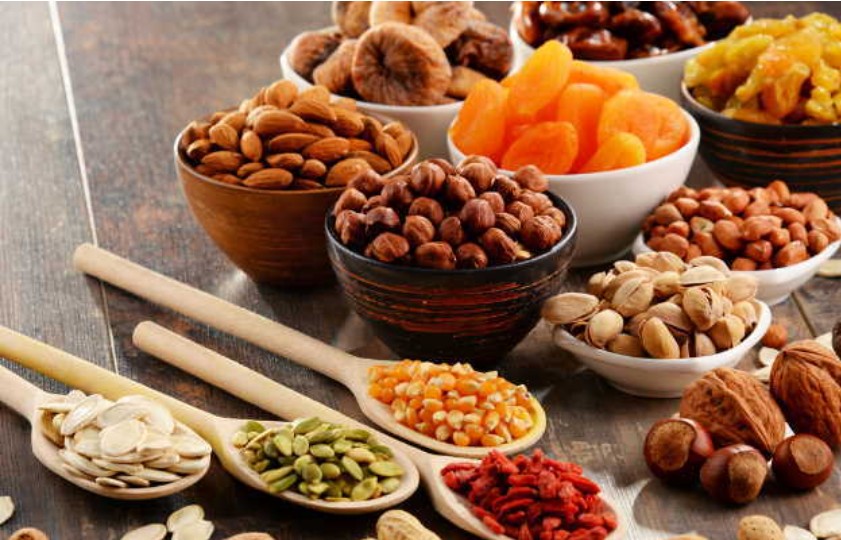
Dry fruits are more than simply delicious snacks or festive treats. They include concentrated amounts of important vitamins, minerals, antioxidants and healthy fats. Almonds, walnuts, raisins, figs, pistachios and dates may appear tiny, but they are filled with chemicals that boost immune function, increase energy and promote long-term endurance.
Dry fruits have long been valued in diets around the world, from the knowledge of ancient Ayurvedic writings to the advice offered by modern nutritionists. In Indian households, we’ve grown up hearing about the health benefits of soaking almonds overnight or having a handful of raisins with warm milk in the winter. These traditional methods are now supported by scientific research, which shows that dried fruits improve immune cell activity.
This blog explores the many reasons why dry fruits for immunity deserve a prominent place in your daily diet. Understanding the importance of dry fruits is essential for anyone wishing to embrace a healthy lifestyle or naturally boost their family’s immunity. This isn’t about following a trend; it’s about returning to nature’s original wisdom and choosing foods that nourish, protect and energise. After all, health does not always come in the form of a bottle; it may also be found in a handful of dry fruits.
Things to Avoid When Consuming Dry Fruits for Immunity
Dry fruits are full of nutrients and a natural boost for your immunity. However, it’s essential to enjoy them mindfully. Consuming too much or selecting the wrong kinds of dried fruits can result in undesirable consequences, especially for those with certain health issues.
Avoid Overconsumption – Quality Over Quantity
Dry fruits for immunity are rich in nutrients, but also heavy in calories. While a small quantity provides significant health benefits, you may gain weight if you eat too much, especially if you are physically inactive. For most adults, a handful (5-7 pieces) of almonds or walnuts per day is enough. Eating more than that regularly may offset their health benefits.
Watch Out for Added Sugar and Preservatives
Many commercially packaged dry fruits, especially raisins, cranberries and dried mangoes, have added sugar, artificial flavours and preservatives such as sulphur dioxide. These additions can diminish the nutritional value of the fruit and raise your blood sugar levels. Adding chemicals defeats the aim of naturally building immunity. Always check the ingredient label. Select organic, unsweetened and unsulphured varieties whenever you can.
Avoid Dry Fruits as a Meal Replacement
Dry fruits for immunity can be a useful addition to your diet. However, they should never replace balanced meals. Some people believe that eating a bowl of mixed dried fruits is a healthy lunch option. While they give you energy and minerals, they lack vital nutrition groups such as protein, fibre and fresh vegetables. These are required for a balanced diet. Dry fruits should be served as side dishes or snacks instead of main courses. For a more balanced meal, mix them with yoghurt, muesli or salad.
What Customers Often Ask About Dry Fruits for Immunity
As natural wellness practices gain popularity, many health-conscious customers are turning to dry fruits for immunity as a reliable source of nutrients. However, with so many options and differing viewpoints available online, it’s natural to have questions.
Can Dry Fruits Really Boost Immunity?
Yes, they can, but only in certain situations.
Dry fruits include immune-boosting elements such as vitamin E, zinc, iron and healthy fats. Antioxidants, such as those found in walnuts and almonds, shield immune cells from harm. Dates and raisins are great sources of iron, which is essential for transporting oxygen and producing energy.
However, dry fruits for immunity aren’t a miracle cure. They function best when combined with a healthy diet, regular hydration, exercise and sufficient sleep. Think of them as a daily support system and not as one comprehensive solution.
Are Dry Fruits Safe for Children?
Yes, dried fruits can help children’s growth and immunity. However, portion size and the way the dry fruits are given are critical. Nuts should be offered in age-appropriate ways, such as soaked and peeled, made into a paste or crushed, to prevent choking hazards.
Raisins and dates are excellent natural sweeteners that promote digestion and immunity. Figs and pistachios can also be mixed into cereal, smoothies or school lunches.
It’s best to start with a small amount and slowly increase it to check if your children have allergies.
Are Flavoured or Roasted Dry Fruits Good for Immunity?
Commercially roasted or flavoured dried fruits often have additional salt, sugar and harmful fats. These chemicals may drastically reduce the nutritional content of dry fruits. This defeats the goal of taking dry fruits for immunity. Organic and preservative-free products offer optimal outcomes. This ensures you get natural and healthy dry fruits without sacrificing their immune-boosting properties. Contact GoingNuts for more details.
Smart Shopping Tips for Buying Dry Fruits for Immunity
When it comes to adding natural superfoods to your diet, dry fruits for immunity are one of the most convenient and effective solutions. However, due to the increased demand for these nutrient-dense foods, the market is saturated with a wide range of options, ranging from organic and raw to sugar-coated and highly processed. Many people may find this confusing and stressful. Making the perfect selection is essential for fully enjoying the immune-boosting benefits of dry fruits.
Always Read the Label Carefully
The first thing you should do when you buy dry fruits for immunity is to read the label for ingredient information, nutritional values and expiry dates. Avoid items with lengthy ingredient lists, including unfamiliar or artificial substances. The label should ideally only include the fruit or nut, with no added sugar, salt, hydrogenated oils or preservatives such as sulphur dioxide.
Buy from Trusted and Reputable Brands or Stores
When it comes to dry fruits, quality matters. Buy from brands or stores that are known for maintaining high hygiene levels and consistent quality. Reputable businesses, such as GoingNuts, invest in improved sourcing, handling and packaging processes, which directly affect the product’s freshness and nutritional purity.
When shopping online or offline, look for merchants with clear sourcing and excellent customer evaluations. Look for health food stores, certified organic retailers, or reliable distributors of dried fruits when you shop locally.
Conclusion
Improving your health and building your immunity can be as easy as adding some dried fruits to your regular diet. These little nutritional powerhouses are high in important vitamins, minerals and antioxidants, which help your body’s natural defence mechanisms. Dry fruits for immunity can easily fit into any lifestyle, whether you eat soaked almonds in the morning, munch on walnuts at work or add dates to your evening smoothie.
However, like any good food, you must consume them in moderation. Choosing high-quality, preservative-free varieties, managing portion sizes and understanding your dietary requirements can help you enjoy the full range of benefits with no downsides. When paired with a well-balanced diet, regular exercise and stress management, dry fruits can help you build a resilient body from the inside.
So, the next time you’re preparing your meals or browsing the grocery store, remember that a handful of dry fruits for immunity can sometimes make all the difference to a healthy you.